Unlock Revenue From Your Hidden Traffic

Most companies focus on one thing:

“How do we get more traffic?”

But the companies that actually scale ask a different question:

“How do we get more revenue from the traffic we already have?”

Because the reality is…

95% of your website visitors leave without converting.

They don’t fill out a form.
They don’t book a call.
They don’t raise their hand.

But that doesn’t mean they weren’t interested.

The Hidden Opportunity Most Businesses Miss

Think about how people actually buy today. They research multiple options, visit several websites, compare solutions, and leave without taking action.
Your customers are doing the exact same thing.

Which means:

High-intent buyers are already visiting your website… and leaving.

What If You Could Identify Them?

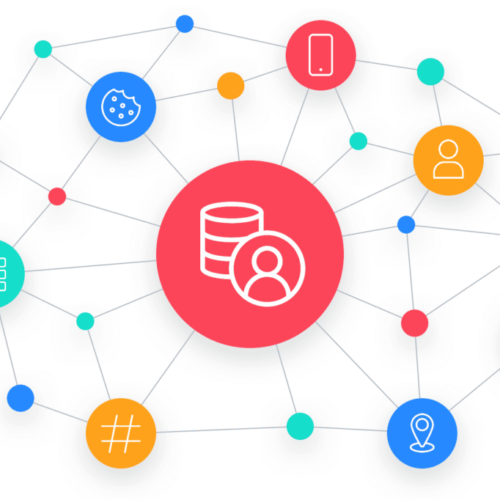
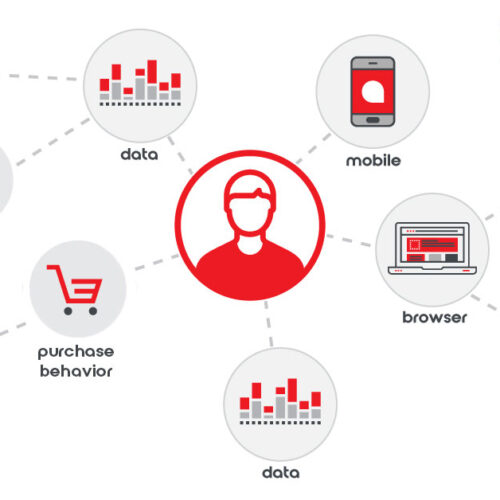
This is where identity resolution comes in. Instead of treating website visitors as anonymous traffic, you can identify who is visiting your website, see what pages they’re engaging with, understand their level of interest, and reach out while they’re still in buying mode.

Instead of guessing, you’re working with real signals.

Why Traditional Tracking Falls Short

Most tools rely on outdated methods like cookies (which are disappearing), form submissions (which most visitors avoid), and broad audience targeting. The result is that you only see a small fraction of your actual opportunity, while the majority of your best prospects remain invisible.

A Smarter Way to Drive Revenue

Instead of waiting for conversions, you can proactively turn traffic into opportunities. With identity resolution, businesses can prioritize high-intent visitors, build outbound pipelines from inbound traffic, improve retargeting with more precision, and give sales teams real opportunities instead of cold leads.

This is how companies generate more revenue without increasing ad spend.

ROI Example (Conservative Scenario)

Let’s look at a simple example.

Monthly Website Visitors:
10,000

Estimated Identity Resolution (50%):
5,000 identified visitors

If only 3% convert into customers:
5,000 × 3% = 150 new clients

Average Client Value:
$1,000

Estimated Additional Revenue:
150 × $1,000 = $150,000 per month

*This example uses a conservative 50% identification rate. Many businesses see higher identification rates depending on traffic quality and volume.

What This Means

Even using conservative assumptions, you’re no longer dependent on form fills alone. You’re unlocking value from traffic you already paid for and creating new revenue without increasing marketing spend.

Why This Works

Because it aligns with how buyers actually behave today. They prefer to research privately, they don’t always convert on the first visit, and they often choose a provider before ever filling out a form. Identity resolution allows you to engage potential customers before they disappear.

The Bigger Shift

This is more than just a marketing tactic. It’s a shift from waiting for leads to creating opportunities, from guessing intent to acting on real behavior, and from buying more traffic to monetizing existing traffic.

The Bottom Line

You don’t need more traffic.

You need to capture more value from the traffic you already have.

Because right now, your best prospects are already visiting your website. You just don’t know who they are yet.

Want to See What This Could Look Like for Your Business?

We can run a quick analysis based on your traffic and show:

  • How many visitors you could identify
  • What your potential pipeline could look like
  • The estimated revenue impact

Turn Intent Into Pipeline

Most companies don’t have a traffic problem.

They have a visibility problem.

Every day, potential buyers are actively researching solutions—comparing vendors, reviewing pricing, and getting closer to a decision.

But here’s the issue:

You don’t know who they are.

So your team keeps:

  • Chasing cold leads
  • Running ads to broad audiences
  • Filling your pipeline with low-quality prospects

Meanwhile, your best opportunities are happening… completely unseen.

That’s where intent data changes the game.

What Intent Data Really Is — And Why It Drives Revenue

Intent data allows you to identify people and companies actively searching for your services right now—before they ever reach out.

Instead of guessing, you’re focusing on:

  • Buyers comparing vendors
  • Prospects evaluating pricing
  • Decision-makers actively researching solutions

This isn’t passive interest.

This is real buying behavior in motion.

The Hidden Cost of Not Using Intent Data

Without intent data, most marketing suffers from the same problems:

  • Wasted ad spend targeting anonymous or unqualified traffic
  • Higher customer acquisition costs from inefficient outreach
  • Poor segmentation that leads to generic messaging

In short:

You’re spending money to reach people who were never going to buy in the first place

Why Most Intent Data Falls Short

Not all intent data is created equal.

Many providers rely on:

  • Basic keyword triggers
  • Static or outdated lists
  • Shallow signals that don’t reflect real buying intent

So you end up targeting:

  • Someone who read one blog post
  • A company that isn’t actually in-market
  • Contacts who are already past their buying window

And the result?

Low replies.
Low conversions.
Frustrating ROI.

What Real Intent Data Looks Like

True intent data goes deeper than keywords.

It analyzes behavioral patterns over time to determine whether someone is actually moving toward a purchase.

For example:

  • Are they repeatedly researching solutions?
  • Are they comparing vendors or reading reviews?
  • Has their activity increased significantly recently?

Modern systems analyze billions—even trillions—of behavioral signals to detect these patterns and identify real in-market buyers

Even more importantly…

This data is continuously refreshed and re-validated, ensuring you’re not working off outdated information

What You Can Actually See With Intent Data

When done correctly, intent data doesn’t just show “interest” — it gives your team actionable intelligence you can immediately use.

Depending on your targeting, this can include:

  • Verified business and personal email addresses
  • Direct-dial phone numbers
  • LinkedIn profiles and job roles
  • Company details (industry, size, revenue)
  • Location and geographic data
  • Behavioral signals tied to active research
  • Additional enrichment like business attributes and contact matching

The goal isn’t just more data.

It’s giving your sales and marketing team the ability to act immediately on real buying signals—instead of waiting and hoping prospects come inbound.

How Intent Data Expands Your Sales Pipeline

Intent data doesn’t just improve conversions—it unlocks pipeline you didn’t even know existed.

You’re now capturing:

  • Buyers who haven’t reached out yet
  • Companies researching quietly
  • Decision-makers earlier in the funnel

Which leads to:

  • More qualified opportunities
  • Faster sales cycles
  • Higher close rates

And less reliance on inbound leads.

The Real Power: Multi-Channel Activation

Data alone doesn’t drive revenue.

Activation does.

The most successful companies use intent data across:

  • Email outreach
  • Paid social targeting
  • Retargeting campaigns
  • CRM workflows
  • Sales prioritization

When all your channels are aligned around real buyer behavior, your marketing becomes dramatically more efficient.

Every touchpoint becomes relevant.
Every dollar works harder.

Smarter Targeting = Lower Costs + Higher ROI

When you focus only on in-market buyers:

  • Your ad spend becomes more efficient
  • Your conversion rates increase
  • Your cost per acquisition decreases

Because you’re no longer guessing.

You’re targeting people who are already moving toward a decision.

The Timing Advantage Most Companies Miss

Two companies can offer the same product.

But the one that reaches the buyer at the right moment wins.

Intent data gives you that edge.

Because instead of asking:
“Who might be interested?”

You’re acting on:
“Who is already looking right now?”

The Bottom Line

If your pipeline feels inconsistent…
If your leads aren’t converting…
If your team is doing more work for less return…

It’s not just a traffic problem.

It’s a targeting problem.

Intent data solves that by helping you focus on:

  • The right people
  • At the right time
  • With the right message

Not more leads.

Better buyers.

Automate Your Business with AI

If you’re handling every email manually, waiting days to follow up with leads, or juggling onboarding tasks one by one, you’re running your business on outdated systems. Meanwhile, AI is quietly reshaping how modern businesses operate—and the ones who figure it out early are gaining back many hours every week. The real transformation comes when you build an AI-powered engine that runs across your entire business, from lead generation to fulfillment and beyond. Here’s what that can look like.

Marketing That Never Sleeps

Whether you’re testing digital ads or trying to get responses from cold outreach, one thing’s for sure: it’s time-consuming. But here’s where AI changes the game.

With the right setup, AI can pinpoint who your ideal customer actually is—not just their job title or location, but what they care about, how they speak, and what problems they’re trying to solve. From there, it can help you generate content ideas, ad copy, and even creative assets in your brand tone. AI won’t replace your voice—it amplifies it and saves you from doing the heavy lifting over and over.

The same goes for outreach. Instead of sending robotic messages, AI can write personalized intros that reference real things, like a post they shared, a product they launched, or an event they attended. It feels natural because it’s built with actual context.

Instant Lead Engagement—No More Missed Opportunities

We’ve all been there: a lead fills out a form, sends a DM, or replies to an ad… and hears nothing for hours. That delay? That’s where deals die.

AI fills that gap instantly. Whether it’s through automated email replies, chat widgets, or even AI-powered voice agents, your business can respond immediately, day or night. But this isn’t your typical “Thanks, we’ll be in touch” kind of auto-reply. Smart follow-up flows adapt based on what your lead needs, whether it’s a reminder to book a call, a helpful resource, or answers to common objections.

Even better? AI doesn’t forget about the leads who ghosted you weeks ago. It can revive conversations and get old prospects back into your pipeline—automatically.

Lead Qualification Without the Guesswork

Sorting serious buyers from tire-kickers takes time—unless AI does it for you. By collecting key data (budget, timeline, company info), AI can score and sort your leads in seconds. And with AI voice agents answering inbound calls, even your phone becomes a smart filter that knows who to prioritize and who to route where.

No more spreadsheets. No more guesswork. Just a clear pipeline of qualified leads who are ready for the next step.

Sales That Run Smoother

Imagine hopping on a sales call with a complete briefing: who the lead is, what they’ve said before, and what they care about—all pulled together by AI. Post-call, AI tools can transcribe the conversation, summarize the key takeaways, and even draft follow-up emails or contracts. You stay focused on building trust, not scrambling through notes or chasing down documents.

Seamless Delivery and Onboarding

Once the sale is closed, AI ensures everything from welcome emails to onboarding flows happens like clockwork. It personalizes the experience based on the package your client bought, answers common questions, and keeps the momentum going, without you needing to touch a thing.

Delivery becomes smoother, too. AI can send the right materials, trigger reminders, assign tasks to your team, and follow up on milestones. It’s like having an operations assistant that never sleeps.

AI-Enhanced Support and Retention

Customer support used to be a time sink. AI agents can instantly answer FAQs, reschedule appointments, or check order status across every channel—email, social media channels, and phone calls.

But support doesn’t stop at problem-solving. AI can follow up with clients post-delivery, ask for feedback, and even tee up upsell opportunities in a natural, personalized way.

Build AI as a System

The real power of AI comes when you build it into a connected system that streamlines your entire operation. When every part of your business—from lead generation to delivery—is supported by smart automation, you eliminate bottlenecks, save hours each week, and create a faster, more seamless experience for your customers. If you’re done juggling everything manually and ready to build a business that runs smoother, scales faster, and works smarter with AI, now’s the time to make it happen.

Maximize Traffic Conversion and Reduce Ad Spend

Many businesses face the constant challenge of turning website visitors into paying customers. Whether you’re a small startup or an established brand, converting traffic into revenue is a critical factor for growth. However, many companies unknowingly leave significant opportunities on the table due to wasted ad spend, ineffective targeting, and fragmented customer data.

Identity graph solutions can help businesses tackle these challenges head-on, maximizing their return on ad spend (ROAS) and boosting their conversions.

Identify Hidden Visitors

One of the biggest problems businesses face is not knowing who visits their website. A significant portion of website traffic remains anonymous, especially from paid ads. With AI-powered tools like a customer data pixel platform, businesses can uncover up to 60% of their web traffic, including visitors who haven’t converted.

By enriching customer data with more than 100 attributes, such as name, email, financials, and browsing behavior, you can gain valuable insights into your audience. This allows for targeted marketing and personalized messaging to convert these hidden shoppers into paying customers.

Convert Paid Traffic: Retargeting Made Smarter

Paid ads are a major part of most digital marketing strategies. However, without proper data insights, you’re essentially throwing money at unknown visitors. Customer Identity Pixels allow you to track and segment users who clicked on your ads but didn’t convert.

Once these users are identified, you can retarget them with personalized messaging, which significantly improves your chances of converting them into customers. Moreover, you can use lower-cost ad channels or email tools for re-engagement, saving you money while increasing the likelihood of a conversion.

AI Audience Segmentation: Precision Targeting at Its Best

Traditional methods of audience segmentation are often too generic, wasting valuable ad spend. AI-powered tools, however, go beyond basic demographic targeting by analyzing customer behaviors, purchase history, and browsing activity.

With these insights, you can create highly-targeted segments, focusing your marketing efforts on the top 20% of customers who are most likely to convert. This data-driven approach leads to better decision-making, higher engagement rates, and a significant improvement in ROAS.

A major pain point for businesses is wasted ad spend, especially with high CPMs (Cost Per Thousand Impressions). AI platforms can reduce CPMs by up to 50% by eliminating ad fraud and ensuring that ads are shown to verified, real users.

With deep insights into customer behavior, businesses can refine their targeting strategies to focus on high-margin products. Customer Identity Pixels can help identify which products attract the most profitable customers, ensuring that marketing efforts are concentrated on what generates the best return.

AI-driven audience targeting platforms offer a game-changing approach to digital marketing. By identifying hidden visitors, retargeting paid traffic, and optimizing ad spend, businesses can maximize conversions, improve ROAS, and drive profitability. If you’re not already leveraging Identity Pixels in your marketing strategy, now is the time to start.

Microconversions to Boost Your Campaign’s ROI

Your ads are live. Impressions are rolling in. Clicks are happening.

But conversions? Nothing.

It can be one of the most frustrating situations in marketing. You’ve nailed your targeting, built the funnel, and optimized your creative—but the results just aren’t there. Most advertisers immediately blame the usual suspects: the audience, the ad copy, maybe even the entire funnel. Some hit pause and start from scratch.

But here’s the truth: often, they’re fixing the wrong thing. There’s a critical metric hiding in plain sight that rarely gets discussed—but it holds the key to unlocking performance.

Why Most Advertisers Stay Stuck

It’s easy to obsess over the big scoreboard numbers:

  • ROAS (Return on Ad Spend)

  • CPA (Cost Per Acquisition)

  • CAC (Customer Acquisition Cost)

  • Total Conversions

These matter, but they only tell you the outcome. They don’t tell you why a campaign is or isn’t working. To find that answer, you need to look earlier in the journey.

Enter Microconversions

Microconversions are the small, overlooked actions prospects take before they become customers. They don’t get much attention in reporting, but they’re the clearest signs of whether someone is moving toward conversion—or falling off.

If your macro results (sales, sign-ups, booked calls) are weak, it’s usually because something earlier in the funnel is broken.

Which Microconversions Should You Track?

Here are a few of the most telling ones:

  • Ad CTR: A low click-through rate means your ad isn’t compelling enough.

  • Time on page: If visitors bounce quickly, your landing page isn’t holding their attention.

  • Video watch time: If most people don’t make it past 25%, your hook isn’t strong enough.

  • Add-to-cart rate: If people browse but don’t add products, your offer may lack urgency or value.

  • Checkout abandonment: If users start checkout but don’t finish, something—price, trust, or friction—is causing hesitation.

These are your roadmap. They show exactly where the customer journey is breaking down.

The Difference Between Amateurs and Pros

Amateurs panic when ROAS tanks and shut down the campaign. Pros investigate. They analyze every step of the funnel, find the weak link, and fix it.

It’s like diagnosing a car. If the engine won’t start, you don’t throw the whole car away—you check the fuel line, the battery, the spark plugs. Marketing works the same way.

Platform-Specific Signals to Watch

Different platforms offer different microconversion clues:

  • Google Ads: Track impression-to-click ratio. A low number means your offer isn’t aligned with search intent.

  • Facebook & Instagram: Monitor video view rates. If people drop in the first seconds, your creative isn’t grabbing them.

  • Landing Pages/Advertorials: Watch click-through to the next step. If fewer than 25% move forward, your page isn’t building enough desire or trust.

These are your early warning lights. Ignore them, and you’ll burn budget.

A Simple Way to Find the Leak

Here’s a quick diagnostic method:

  1. Open your funnel analytics.

  2. Write down the conversion rate at each step.

  3. Spot the step with the biggest drop-off.

That’s your bottleneck.

Now, test a fix:

  • A stronger headline.

  • More persuasive social proof.

  • A sharper CTA.

  • Extra trust signals at checkout.

Often, a small tweak at the right step can unlock a flood of conversions down the line.

Small Adjustments, Massive Impact

Microconversions aren’t “nice-to-know” metrics—they’re the difference between campaigns that flatline and campaigns that scale. Don’t waste money guessing or starting over. Look at the little steps, track them, and refine. Because when the small actions improve, the big wins follow.

Improve Your Conversion Rates

Improving conversion rates isn’t just about changing a button color or adding a testimonial—though those can help. True optimization comes from systematically testing and applying proven strategies that influence user behavior at every step of the funnel. Whether you run a DTC store, SaaS platform, or lead generation site, these 17 tactics can boost your conversions.

  1. Use numbers in headlines
    Quantified headlines (e.g., “Get 3x More Leads in 30 Days”) perform significantly better than vague statements. Numbers provide clarity and promise measurable results.


  2. Show a face in your opt-ins
    Images of people, especially those making eye contact, build trust and increase form completions. Try using a real person rather than graphics or product photos.


  3. Leverage social proof
    Testimonials, real-time purchase notifications, or usage stats (“Over 5,000 customers”) enhance credibility and reduce hesitation.


  4. Avoid homepage sliders
    Sliders split attention and reduce conversions. Use one clear hero message paired with a strong call-to-action (CTA).


  5. Reduce form fields
    Every extra field can lower conversions. Keep forms minimal—email only for newsletter sign-ups or name + email for lead forms.


  6. Upgrade your CTA copy
    Generic CTAs like “Submit” are uninspiring. Use action-driven phrases like “Get My Free Guide” or “Start My Trial” to make clicking feel rewarding.


  7. Place your logo in the top-left corner
    Small but consistent branding improves trust and makes navigation intuitive.


  8. Reduce decision fatigue
    Limit links and navigation options on key pages. The fewer choices a user has, the more likely they are to complete the intended action.


  9. Use single-step opt-ins
    Multi-step forms can lose users. If multiple steps are needed, make the first step as simple as possible to hook the lead.


  10. Offer a free incentive before asking
    Provide value upfront—like a guide, tool, or sample—then immediately direct users to the desired action.


  11. Bundle products and test messaging
    Instead of heavy discounting, experiment with product bundles, personalized messaging, and benefit-focused copy. Use coupons sparingly to avoid damaging perception.


  12. Personalize the user experience
    Use behavioral data to show the right product to the right person at the right time with dynamic content or segmentation tools.


  13. Use geolocation targeting
    Tailor images, copy, and offers based on location. For example, show a winter coat to New York users, not Miami users.


  14. Maintain message consistency across channels
    Ensure your ads, landing pages, and offers align. Mismatched messaging between source (ad/email) and destination can kill trust. Use a consistent message on a dedicated URL.


  15. Recover abandoned carts
    Send automated email or SMS sequences when users leave items in their cart. Offer a limited-time incentive or reminder to bring them back.


  16. Optimize CTA button design
    Test button colors and shapes while adhering to user expectations (green/blue = go, red = stop). Placement and size also impact clicks.


  17. Test by device type
    User behavior differs across desktop, mobile, and tablet. Run separate A/B tests for each device to maximize results.


Conversion optimization is a game of inches. Small, deliberate changes—stacked over time—can drive significant revenue gains. Start by implementing one or two tactics, measure the impact, and continue iterating for maximum results.

Growth Hacking

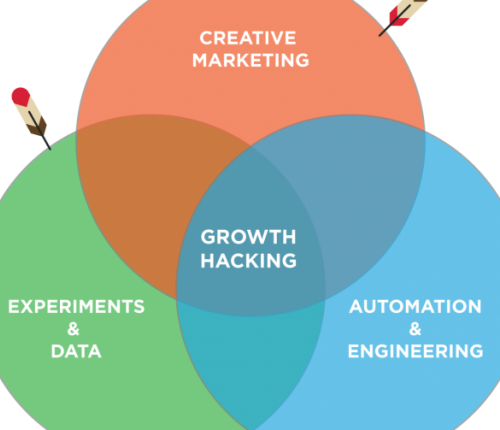
In today’s competitive digital landscape, simply tracking numbers or installing analytics tools isn’t enough. Real growth comes from understanding your audience, testing hypotheses, and using data strategically to make smarter decisions. Growth hacking isn’t about flashy tools or buzzwords—it’s a mindset and a repeatable process that helps you uncover opportunities, optimize performance, and scale your business faster than traditional methods.

Whether you’re a startup founder, marketer, or product manager, mastering growth hacking fundamentals gives you the edge to identify what truly drives growth, discover hidden tactics no one else sees, and make decisions backed by meaningful data—not guesswork.

Do you have a clear-cut idea of why your idea is different from others?

The tools are always changing, but the process of a growth hacker doesn’t. Whatever tool you use, you’ll always be guiding people through your funnel. You’ll always be creating hypotheses, running experiments, and optimizing results. However you get the data, and however you label the data, you’ll always be engaged in a process that is deeper than the tools and terminology you use. Growth hacking is a mindset and process more than it is a collection of tools.

In fact, growth hacking is not just a collection of tactics either. Growth hacking is the process that arrives at those tactics. Sure, use the tools, terminology, and tactics—but understand the fundamentals first. If you allow yourself to think like a growth hacker, you’ll uncover strategies that no one else is aware of, and you’ll be able to thrive even when the current round of tips and tricks has run its course. This is far from an exhaustive list, but here are some of the key terms you’ll hear often in growth hacking circles. 

Key Performance Indicator (KPI)

Every business has KPIs. A KPI is a number that gives you a quick sense of how your business is performing. For example, if you sell software subscriptions, a KPI could be how many new subscriptions you sold today—or how many were canceled. KPIs are not obscure data points; they are numbers that matter and provide insight into company trends and health.

Best practices around KPIs:

  • Automate KPI reports daily, weekly, and monthly.

  • Display KPI data in a dashboard to track trends over time.

  • Make KPI data accessible to everyone in your company to inform decisions.

Viral Coefficient (K)

The viral coefficient measures how many new users are brought in by your existing users. For example, if 50 visitors bring in 100 new visitors, your viral coefficient is 2. Anything above 1 indicates viral growth.

Key points about virality:

  • Virality is a formula, not just a buzzword.

  • Even a coefficient below 1 is beneficial.

  • Virality is overemphasized—substantial growth is possible without it.

Cohorts

A cohort is a group of users based on when they signed up for your product. For instance, all users who signed up in January form the January cohort. Tracking cohorts ensures your data reflects current trends rather than being skewed by historical performance.

Segments

Segments group users based on characteristics other than signup date. For example, male vs. female users or age groups. Segments can also exist within cohorts to provide deeper insights.

Multivariate Testing

Multivariate testing (or A/B testing) exposes different versions of your product to different users to determine which performs better. Bandit testing is a continuous form of A/B testing that always shifts users toward the best-performing options.

Tips for A/B testing:

  • Ensure a sufficient sample size for meaningful results.

  • Track external factors that could skew results.

  • Use tools like experimentcalculator.com to optimize tests.

Customer Acquisition Cost (CAC)

CAC measures how much it costs to acquire a new customer. For example, if you spend $500 on ads and gain 2 customers, your CAC is $250. Knowing CAC per channel helps you allocate marketing spend effectively.

Lifetime Value of Customer (LTV)

LTV is the expected revenue from a customer throughout their lifecycle. For example, if customers pay $300/month for 24 months, LTV = $7,200. Segmenting users can reveal which groups generate the most value, guiding your CAC decisions.

Custom Audiences

Custom audiences let you target people who have already engaged with your brand, such as website visitors, app users, or email subscribers. They are crucial for retargeting campaigns and building lookalike audiences, which expand your reach to new, high-potential prospects similar to your best customers.

Analytics Tools

Growth hackers rely on multiple analytics tools, each serving a unique purpose:

General Analytics: Google Analytics is widely used for tracking high-level metrics like traffic, bounce rates, and devices. It’s ideal for broad insights but limited for granular, event-based data.

Event/People-Based Analytics: Tools like KISSmetrics and Mixpanel track specific events or user behavior, enabling you to answer questions like:

  • Do users who use feature X have a higher LTV?

  • Do certain segments engage more with feature Y?

Niche Analytics: Some tools specialize in mobile apps, e-commerce, or lean startups, providing tailored insights for specific industries.

Custom Analytics: Many companies build in-house solutions to track unique metrics not covered by off-the-shelf software. Combining Google Analytics, event-based tools, and custom solutions often yields the most complete picture.

Eight Vanity Metrics to Watch

It’s easy to get excited by numbers that go up and to the right. Big numbers feel good—but not all metrics are created equal. Some metrics, known as vanity metrics, look impressive but tell you almost nothing about real business performance. Here’s a breakdown of the most common vanity metrics to avoid—and what to focus on instead.

  1. Number of hits
    This metric comes from the early days of the web. If your site has multiple elements (images, scripts, videos), each counts as a hit. That can make the number look huge without actually reflecting real users. Focus on unique visitors or active users instead.

  2. Number of page views
    Counting page views is only slightly better than hits. Unless your revenue depends on page views (like display ads), this tells you nothing about user behavior or engagement. Focus on metrics that show actionable behavior, such as sign-ups or purchases.

  3. Number of visits
    Does this mean one person visited 100 times, or 100 people visited once? Visits alone don’t provide clarity. Track unique visitors or active users over time to get a real picture.

  4. Number of unique visitors
    Knowing how many people saw your homepage is not enough. It doesn’t show what they did, why they stayed, or if they converted. Instead, measure engagement and conversions per visitor.

  5. Number of followers, friends, or likes
    Social media popularity doesn’t equal business impact. What matters is how many followers take meaningful actions—click links, share content, or make purchases. Track engagement rates and conversion from social campaigns.

  6. Time on site or number of pages per visit
    Spending a long time on a site isn’t inherently good. If users linger on support or error pages, that’s a red flag. Focus on behavior that drives value, like content consumption leading to conversion or repeat visits.

  7. Emails collected
    A big email list is tempting, but size doesn’t guarantee engagement. Measure open rates, click-through rates, and conversions. Send small test campaigns to see who actually responds to your offers.

  8. Number of downloads
    Downloads alone don’t equal success. Many apps or tools are downloaded and never used. Track activations, account creations, and retention to understand real value.

  9. Number of app installs or trials started
    Similar to downloads, installs or trial sign-ups don’t tell you if people are using your product or seeing value. Focus on active users, feature usage, and paid conversions.

  10. Ad impressions or clicks without conversions
    High impressions or click-through rates can look impressive in reports, but if users aren’t taking meaningful action, they’re just numbers. Track cost per acquisition, return on ad spend, or conversion rate instead.

  11. Page rankings or SEO position alone
    Ranking high in search is great, but if it doesn’t drive qualified traffic that converts, it’s just a vanity metric. Track organic traffic that leads to meaningful actions.

The takeaway: Vanity metrics can make your reports look good, but they don’t help you grow. Focus on actionable metrics that tie directly to revenue or meaningful engagement, such as customer acquisition, retention, product usage, and conversions. Track numbers that show real behavior, not just popularity, and you’ll make better business decisions.

Building a Profitable Sales Funnel

[vc_row type=”in_container” full_screen_row_position=”middle” scene_position=”center” text_color=”dark” text_align=”left” overlay_strength=”0.3″ shape_divider_position=”bottom”][vc_column column_padding=”no-extra-padding” column_padding_position=”all” background_color_opacity=”1″ background_hover_color_opacity=”1″ column_shadow=”none” column_border_radius=”none” width=”1/1″ tablet_text_alignment=”default” phone_text_alignment=”default” column_border_width=”none” column_border_style=”solid”]

Turning casual website visitors into loyal, repeat customers isn’t magic—it’s a process. The key is a well-structured online sales funnel that nurtures prospects, converts them into buyers, and grows their lifetime value.

What Is a Sales Funnel?

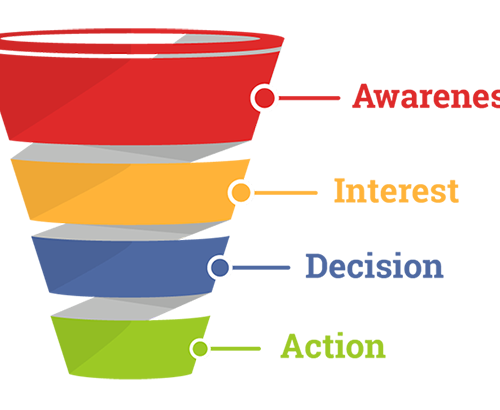
A sales funnel is a marketing system that guides your prospects through the buying journey. Think of it as the path you want a potential customer to take: from Prospect → Lead → Customer → Repeat Buyer → Lifetime Customer.

Sales funnels have been around long before the internet, but online tools like websites and email marketing make building and optimizing them easier than ever.

Imagine a funnel in your kitchen. When you pour oil into your car’s engine, a funnel ensures most of the oil reaches the right place without spilling. Sales funnels work the same way—they help ensure your marketing efforts guide prospects to the right outcome without losing potential customers.

The concept aligns with the classic marketing model AIDA: Attention → Interest → Desire → Action. Every step in your funnel should build on these principles, guiding prospects toward conversion.

A Simple Example

Suppose you’re a real estate agent with a website. Simply listing a phone number or contact form might generate a few leads, but it’s passive. A better approach is to offer something valuable in exchange for a visitor’s email, like a free guide.

Example Lead Magnet: “How to Maximize Your Tax Returns on Your Next Home Purchase”

Visitors download the guide in exchange for their first name and email address. From there, you send weekly newsletters, special reports, surveys, and limited-time offers. Over time, you can segment your list, identify hot leads, and target your marketing to prospects who are most likely to convert.

Nurturing Your Prospects

A sales funnel is more than capturing emails—it’s about nurturing prospects.

Funnel Flow:

  1. Website Visitor

  2. Email Lead

  3. List Subscriber

  4. Customer

  5. Lifetime Customer

Nurturing is like tending a garden. Some prospects will flourish into loyal customers; others won’t. But even a small list of well-nurtured, engaged leads is far more valuable than a large, under-engaged list.

Tips for Nurturing:

  • Provide valuable content regularly, not just promotions.

  • Segment your list to tailor messages to different interests or behavior.

  • Use surveys or feedback to understand what your audience truly wants.

The Ultimate Goal: Lifetime Customer Value

The real power of a sales funnel lies in maximizing Lifetime Customer Value (LCV). Instead of chasing countless one-time purchases, focus on creating long-term relationships with customers.

If your goal is $1,000,000 in annual revenue:

  • If each customer spends $1,000/year, you only need 1,000 customers. Retain them for 3–5 years, and your annual acquisition focus decreases.

  • If each customer spends $100/year, you need 10,000 new customers every year—a much harder and costlier task.

Focusing on backend products, repeat offers, and ongoing engagement is how you grow LCV. A sophisticated funnel identifies which customers are most likely to return and encourages further purchases.

Example Funnel Conversion:

  • 10,000 prospects → 2,000 leads

  • 2,000 leads → 1,000 first-time customers

  • 1,000 → 200 backend product buyers over time

Numbers vary by business, but investing in building and fine-tuning your funnel consistently pays off.

Mapping Your Online Sales Funnel

Ask yourself these critical questions when designing or improving your funnel:

  1. How are you attracting new visitors?
    Traffic sources include SEO, PPC, social media, press releases, and partnerships.

  2. How are you converting visitors into leads?
    Lead magnets like guides, webinars, or free tools capture email addresses.

  3. How are you nurturing your leads?
    Provide value without always selling. Share tips, insights, and exclusive content.

  4. How are you learning from your leads and customers?
    Use surveys, polls, and one-on-one conversations to understand their needs.

  5. How are you turning first-time buyers into repeat customers?
    Offer backend products or services that solve bigger problems and keep them engaged.

Key Takeaways

  • A sales funnel isn’t just about selling—it’s about guiding, nurturing, and providing value at every step.

  • Focus on quality over quantity: a smaller, well-nurtured list is far more valuable than a large, disengaged one.

  • Optimize for Lifetime Customer Value, not just first-time purchases.

  • Map your funnel, track your metrics, and refine every stage for maximum results.

When done right, your funnel becomes a self-sustaining growth engine, converting casual visitors into loyal customers who return again and again.

[/vc_column][/vc_row]

Landing page tips

[vc_row type=”in_container” full_screen_row_position=”middle” scene_position=”center” text_color=”dark” text_align=”left” overlay_strength=”0.3″ shape_divider_position=”bottom”][vc_column column_padding=”no-extra-padding” column_padding_position=”all” background_color_opacity=”1″ background_hover_color_opacity=”1″ column_shadow=”none” column_border_radius=”none” width=”1/1″ tablet_text_alignment=”default” phone_text_alignment=”default” column_border_width=”none” column_border_style=”solid”]

You’ve done your research and managed to bring targeted visitors to your landing page. But here’s the key—your words got them there. The copy in your ads or banners carried enough influence to make them click. Now the content on your page has to continue that momentum and persuade them to take the next step.

Testing Images

Don’t underestimate the power of visuals. Test the images you use by rotating them into different placements or swapping them out with alternatives. Run split tests to see which combinations drive the highest engagement and conversions.

Crafting a Strong Call to Action

Your call to action (CTA) is the first piece of text that should push visitors to act. It bridges interest into action. For example, in the weight loss niche, a headline like:

“Lose 10 lbs in 7 Days!”

This grabs attention instantly. But don’t stop there—support it with a short, persuasive subheader such as:

“Claim your free report on how to lose 10 lbs in 7 days by entering your name and email address on the right.”

People need clear direction. A great CTA tells them exactly what to do next.

Headlines and Subheaders

Your headline should be simple, powerful, and impossible to ignore. Subheaders should back up the claim with additional detail that sparks curiosity and adds credibility. Together, they set the stage for conversion.

Use Short Videos

Video is one of the most effective tools for engagement. Keep it short—no more than three minutes—and focus on delivering real value. A strong video builds trust, demonstrates benefits, and keeps visitors hooked long enough to act.

Highlight the Benefits

Don’t just list features. Show the authentic benefits of your product in clear, reader-friendly copy. Explain how your offer solves a real problem and what makes it unique. Pair this with motivating graphics that inspire action.

Include an Opt-In Box

Make it easy for visitors to take the next step. Include a visible opt-in box for their name and email address. This turns casual visitors into leads you can nurture over time.

Final Thought

Every element of your landing page—from the headline to the CTA, images, and opt-in box—works together to move visitors closer to a conversion. Test each piece, refine based on results, and always keep your message simple, powerful, and action-driven.

[/vc_column][/vc_row]